
Diabetic Kidney Disease Management
Diabetic Kidney Disease Management
Diabetic Kidney Disease (DKD) is a kidney complication that can develop in people with diabetes when high blood sugar gradually affects the kidneys. Early detection and proper management can help slow kidney damage and protect kidney function.
At Dr VK Sharma Hospital (Shree Medical Care Center), diabetic kidney disease is managed with a personalized approach under the guidance of Dr. Aditya Sharma, Nephrologist, focusing on kidney health, blood sugar control, blood pressure, and associated risk factors.
Who Is at Risk?
People with diabetes may have a higher risk of kidney problems, particularly when blood sugar or blood pressure remains uncontrolled. Regular kidney screening is important for:
- People with long-standing diabetes
- Patients with high blood pressure
- Those with a family history of kidney disease
- Patients with abnormal urine or kidney function tests
- People experiencing swelling or changes in urination
Signs of Diabetic Kidney Disease
Early diabetic kidney disease may not cause noticeable symptoms. As kidney function changes, patients may experience:
- Swelling in the feet, ankles, or around the eyes
- Changes in urination
- Increased tiredness or weakness
- High blood pressure
- Changes in appetite
- Abnormal protein levels in urine
Diagnosis & Monitoring
Regular testing can help detect kidney involvement at an early stage. Evaluation may include:
- Urine testing for protein or albumin
- Kidney function blood tests
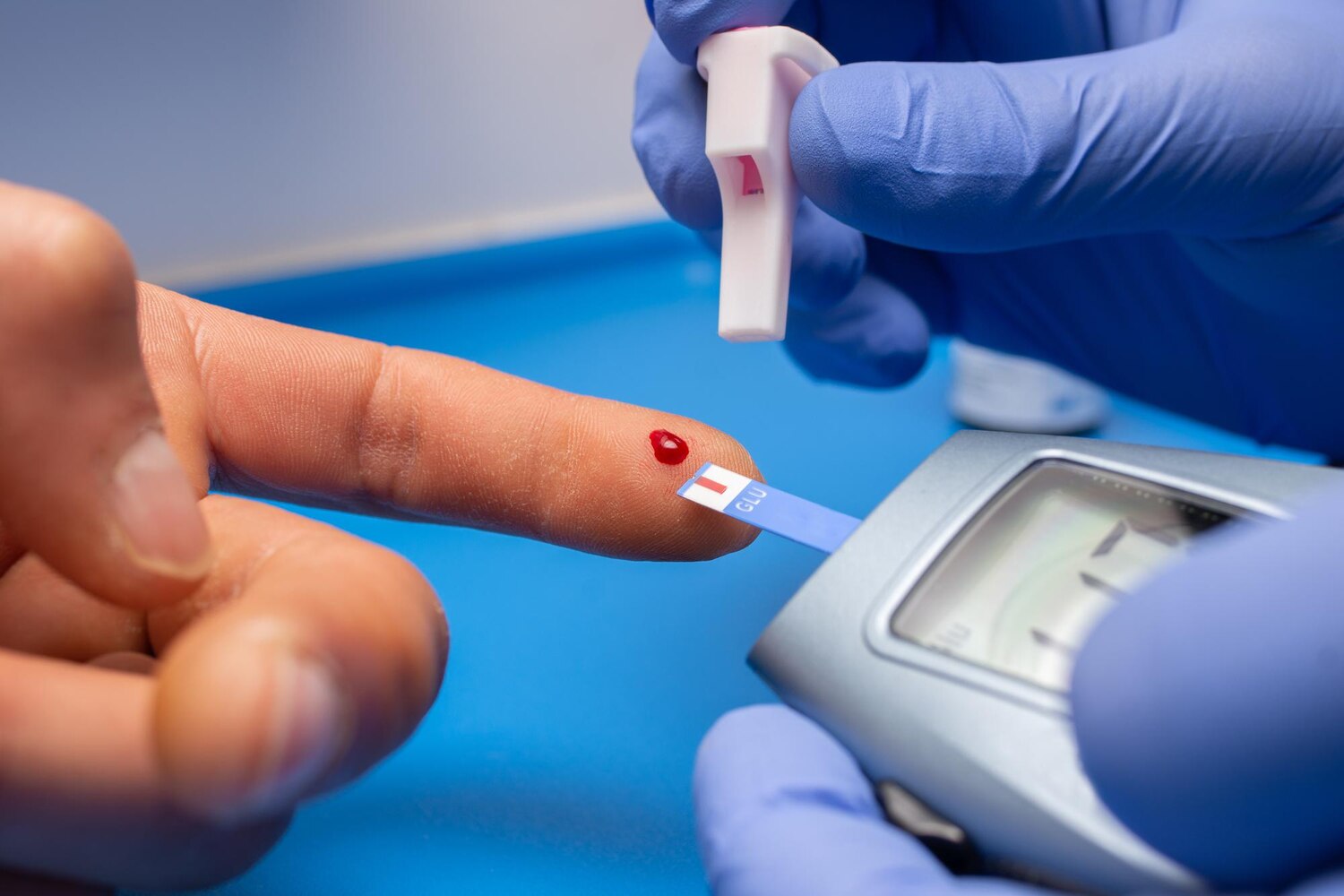
- Blood sugar and HbA1c monitoring
- Blood pressure assessment
- Electrolyte testing when required
- Regular monitoring of kidney function
Diabetic Kidney Disease Management
Treatment is tailored to the patient’s kidney function, diabetes control, and overall health. Management may include:
- Improving blood sugar control
- Managing high blood pressure
- Medicines to help protect kidney function when appropriate
- Dietary and lifestyle guidance
- Monitoring protein in the urine
- Regular assessment of kidney function
- Managing complications associated with CKD
Protect Your Kidney Health
Good diabetes management, regular kidney screening, healthy lifestyle choices, and timely nephrology care can help reduce the risk of progressive kidney damage. Regular follow-up is especially important for patients who already have signs of kidney involvement.