What Is Chronic Kidney Disease?
Chronic kidney disease, also called CKD, means your kidneys do not work as well as they should. Because kidneys help remove waste and extra fluid, CKD can cause waste to build up in your body. Over time, this can lead to serious health problems. According to the CDC, millions of people in the United States have CKD. Early care and healthy choices, such as a good diet, can help slow down kidney damage.
The Role of Diet in Chronic Kidney Disease
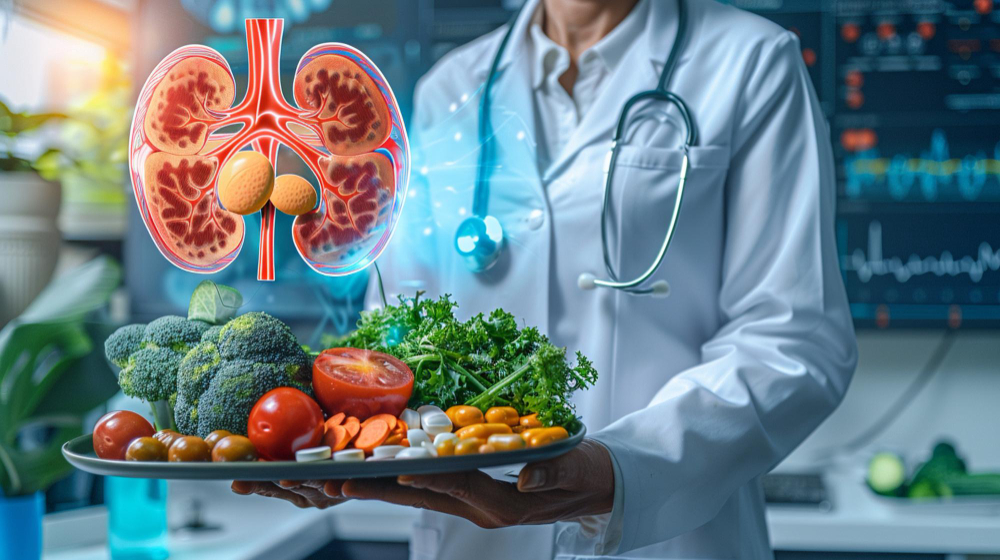
Diet and chronic kidney disease are closely linked. What you eat can affect how hard your kidneys work. For example, some foods can help protect your kidneys, while others may make CKD worse. Because your kidneys filter waste from your blood, eating kidney-friendly foods can ease their job. The National Kidney Foundation says a healthy eating plan may help control blood pressure and lower the risk of more damage.
Foods to Include for Kidney Health
Choosing the right foods is important for people with CKD. While each person is different, many kidney-friendly foods are safe for most people. For example, these foods can help support kidney health:
In addition, drinking enough water can help your kidneys. However, your doctor may suggest limits if you have swelling or high blood pressure.
Foods to Avoid with Chronic Kidney Disease
Some foods can make CKD worse. Because your kidneys have trouble removing certain minerals, you may need to avoid foods high in sodium, potassium, or phosphorus. Here are some foods to avoid with CKD:
Instead, choose fresh or homemade foods with less salt and fewer additives. Always check food labels for sodium and phosphorus content.
Tips for Planning a Kidney-Friendly Diet
Planning meals can feel hard, but simple steps make it easier. For example, you can:
Because everyone’s needs are different, always follow your doctor’s advice. In many cases, a dietitian can help you build a meal plan that fits your health needs and tastes.
Frequently Asked Questions About Diet and Chronic Kidney Disease
Can I eat dairy if I have CKD?
Some dairy foods are high in phosphorus and potassium. For this reason, you may need to limit milk, cheese, and yogurt. Your doctor or dietitian can suggest safe amounts for you.
Is it safe to eat fruits and vegetables?
Yes, but you may need to avoid some high-potassium choices like bananas and oranges. Instead, pick lower-potassium options such as apples and berries.
Should I take vitamin or mineral supplements?
Not always. Some supplements can harm your kidneys. Therefore, always ask your doctor before taking any vitamins or minerals.
How much protein do I need?
Too much protein can strain your kidneys. However, you still need some protein for health. Your doctor or dietitian can help you find the right amount.
Where can I find more information?
Trusted sources like the CDC, National Kidney Foundation, and WHO offer up-to-date advice on healthy eating for kidney disease.
Your health deserves the right attention. Consult Dr. Aditya Sharma today.