

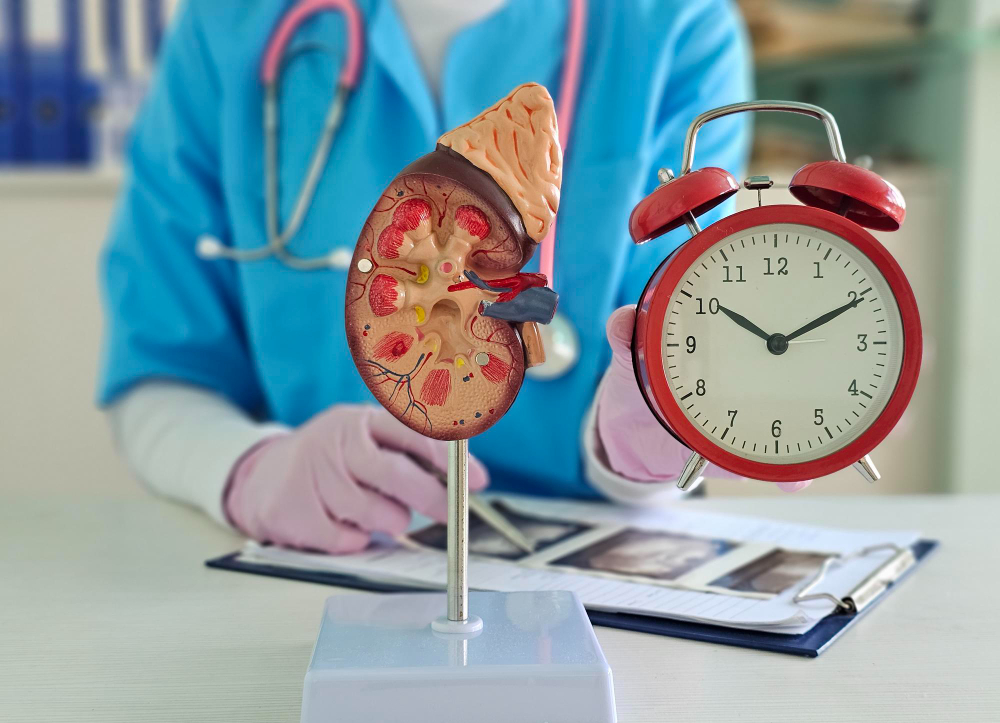
Many people do not realize how important regular blood pressure monitoring for kidney patients is. For those living with kidney disease, checking blood pressure often can help protect their health. In fact, experts from the CDC and WHO agree that monitoring blood pressure at home for kidney patients is a key step in preventing kidney complications. This blog will explain why this is so important and how you can do it right.
The Link Between Kidney Health and Blood Pressure
First, it helps to know how the kidneys and blood pressure are connected. Your kidneys help control blood pressure by balancing fluids and salts in your body. However, when kidneys are not healthy, they cannot do this job well. As a result, blood pressure may rise. On the other hand, high blood pressure can also damage the kidneys over time. Because of this close link, kidney disease and blood pressure problems often go hand in hand.
Risks of High Blood Pressure in Kidney Patients
High blood pressure is dangerous for kidney patients. It can cause more damage to the kidneys and make kidney disease worse. In addition, high blood pressure increases the risk of heart attacks and strokes. For example, the CDC reports that people with kidney disease and high blood pressure are more likely to have heart problems. Therefore, keeping blood pressure in a safe range is very important for kidney patients.
How Regular Monitoring Helps Kidney Patients
Regular blood pressure monitoring for kidney patients offers many benefits. For instance, it helps you and your doctor spot changes early. This way, you can adjust medicines or lifestyle habits before problems get worse. In many cases, early action can prevent kidney complications and slow down kidney disease. Also, tracking your numbers at home gives your doctor better information to guide your care. As a result, you stay safer and healthier.
Recommended Blood Pressure Targets for Kidney Patients
Doctors often set special blood pressure goals for people with kidney disease. According to the National Kidney Foundation, most kidney patients should aim for a blood pressure below 130/80 mmHg. However, your target may be different based on your age or other health issues. Therefore, always ask your doctor what numbers are best for you.
Tips for Accurate Blood Pressure Monitoring at Home
Monitoring blood pressure at home for kidney patients is simple with the right steps. But, accuracy matters. For best results, follow these tips:
Moreover, avoid caffeine, smoking, or exercise 30 minutes before checking your blood pressure. This helps prevent false high numbers. If you have questions, ask your doctor or nurse to show you the right way.
Preventing Complications Through Monitoring
By checking your blood pressure often, you can catch problems before they get serious. For example, if your numbers start to rise, you can talk to your doctor right away. Early changes in blood pressure can signal a need to adjust your treatment. In this way, regular blood pressure monitoring for kidney patients helps prevent kidney complications and keeps you feeling your best. Many clinics in your area can help you learn more about safe monitoring at home.
Conclusion
If you have kidney disease, regular blood pressure checks are important. Book a consultation with Dr. Aditya Sharma to get advice tailored to your needs and keep your kidneys healthy.